24/7 Micro Markets for Hospital Night Shifts
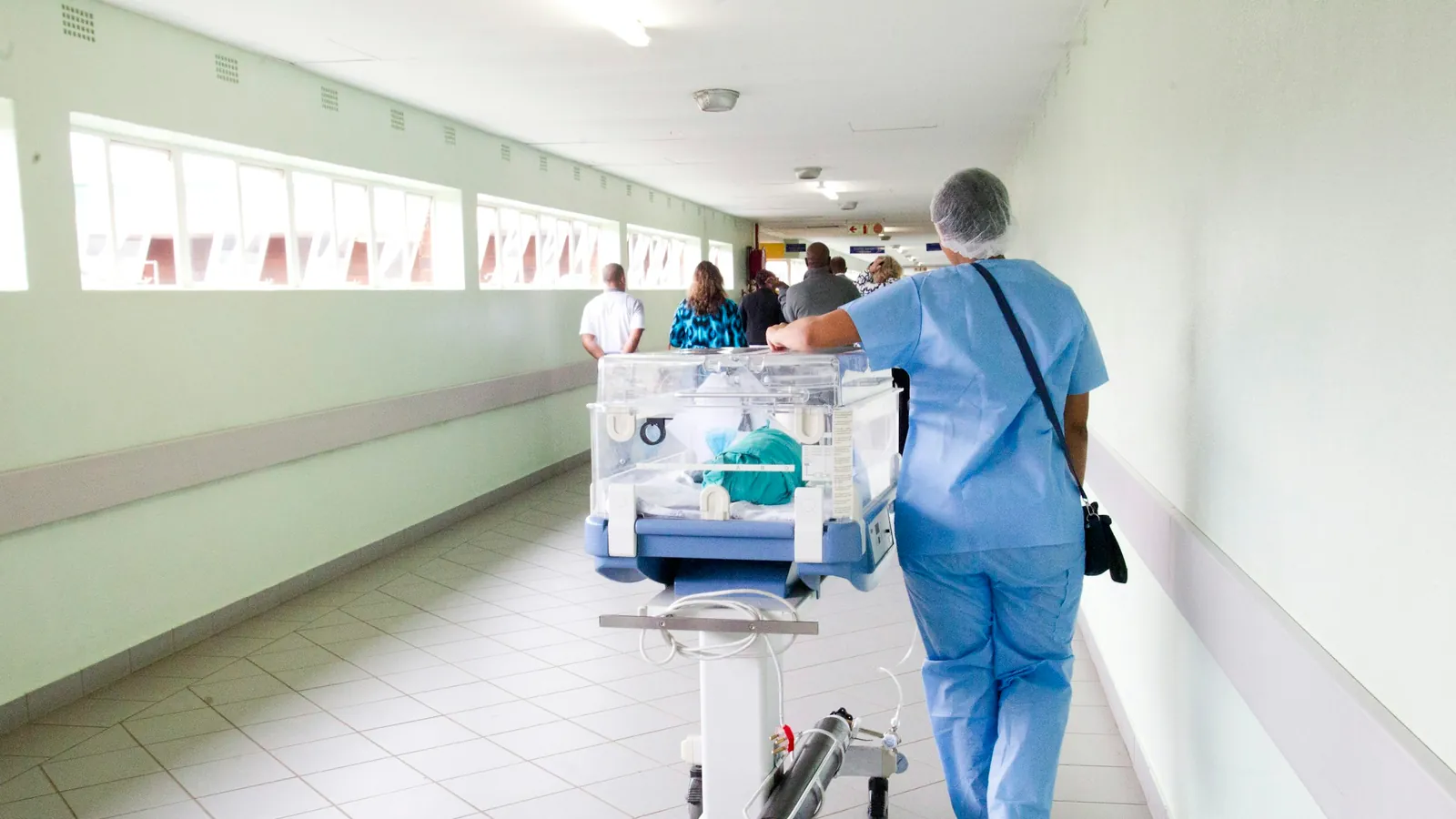
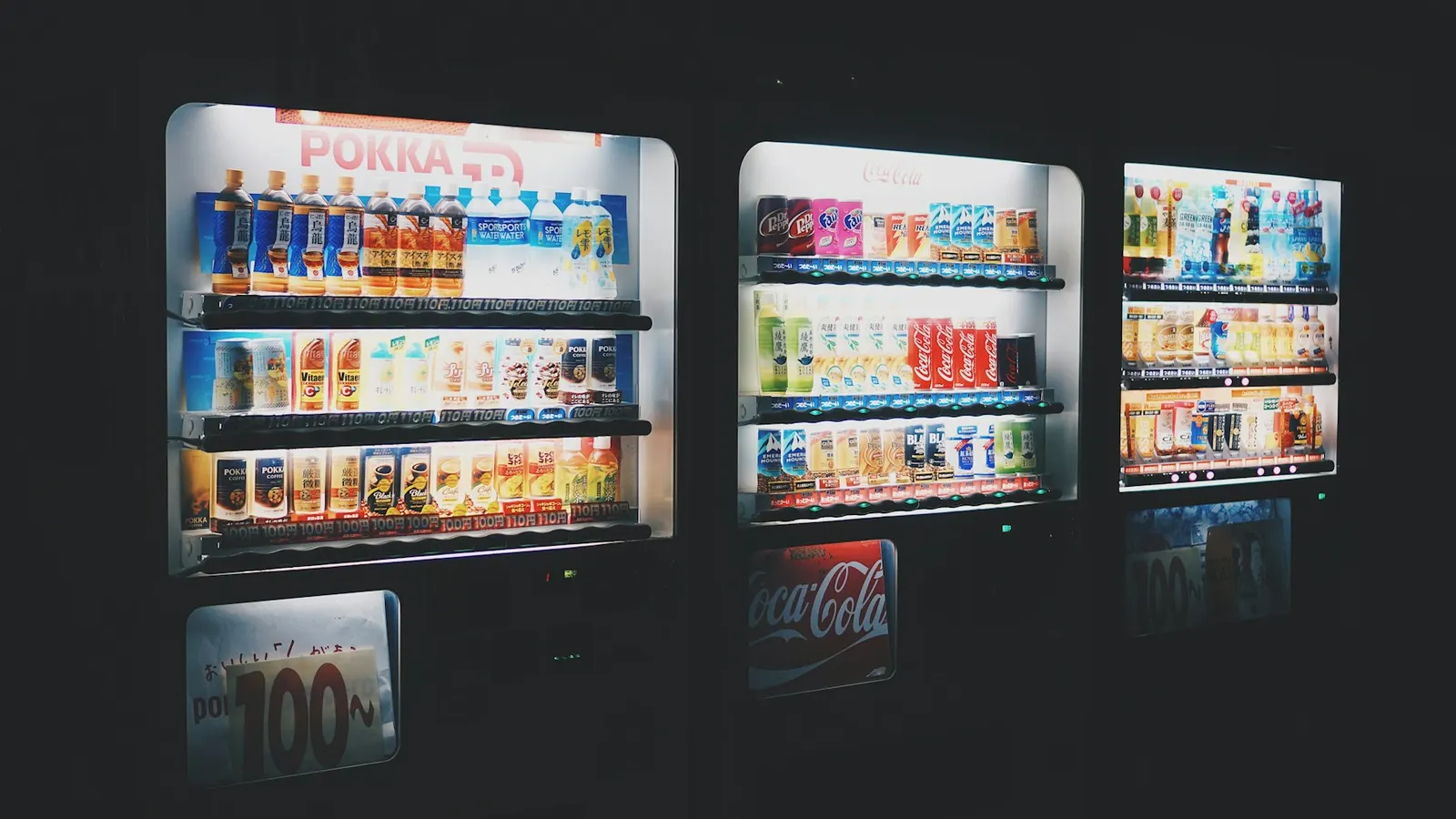
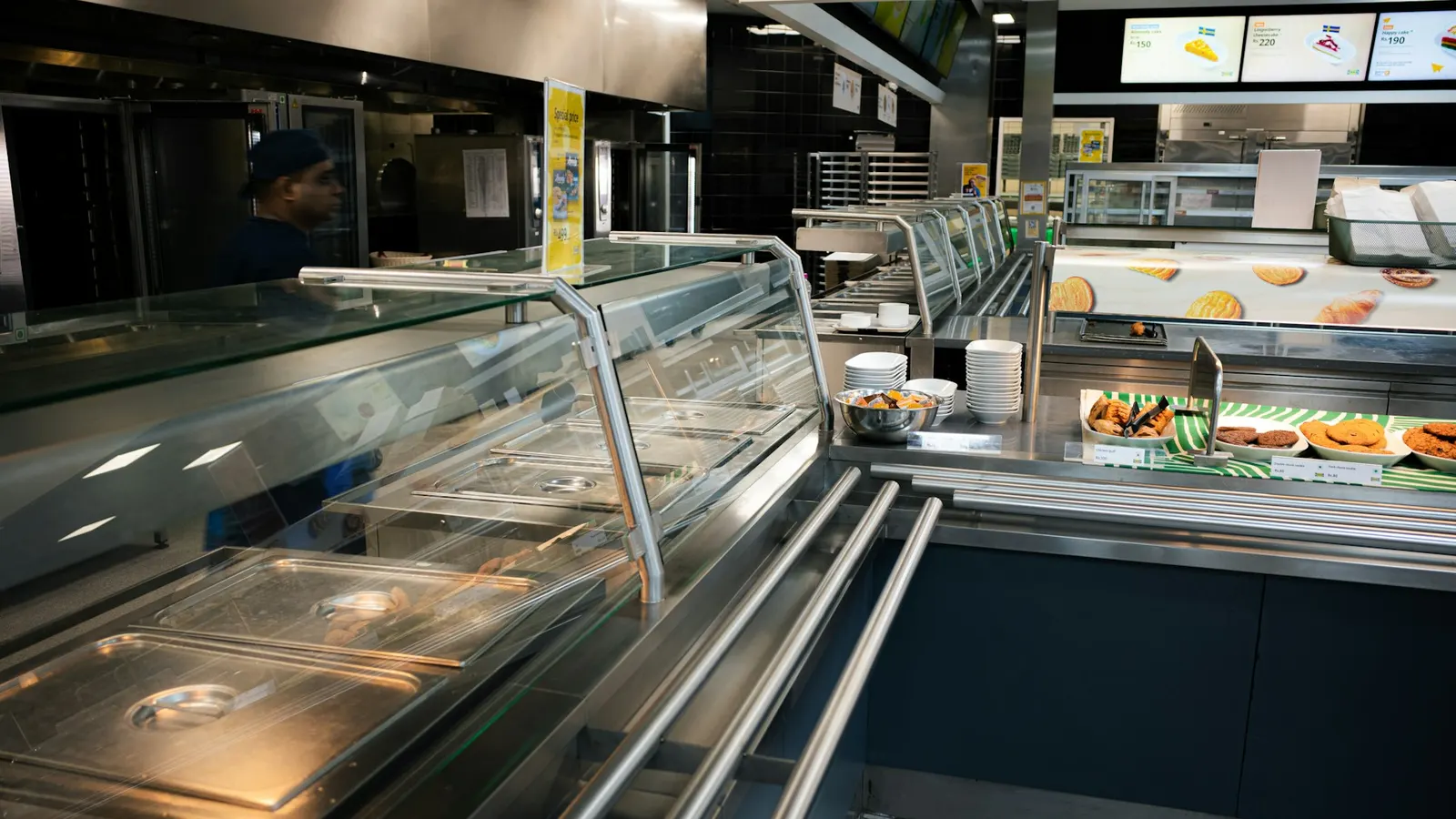
A hospital never closes, but its food service usually does. The cafeteria runs breakfast and lunch, maybe dinner, and then the grill shuts down and the lights go off. For the nurses, techs, environmental services staff and security officers working until 7 a.m., the options shrink to a vending machine, whatever they packed, or a delivery order they may not have time to meet at the door.
A micro market fixes the overnight gap without asking anyone to staff a register at 3 a.m. Here’s how it works in a hospital and what makes one succeed.
What a hospital micro market is
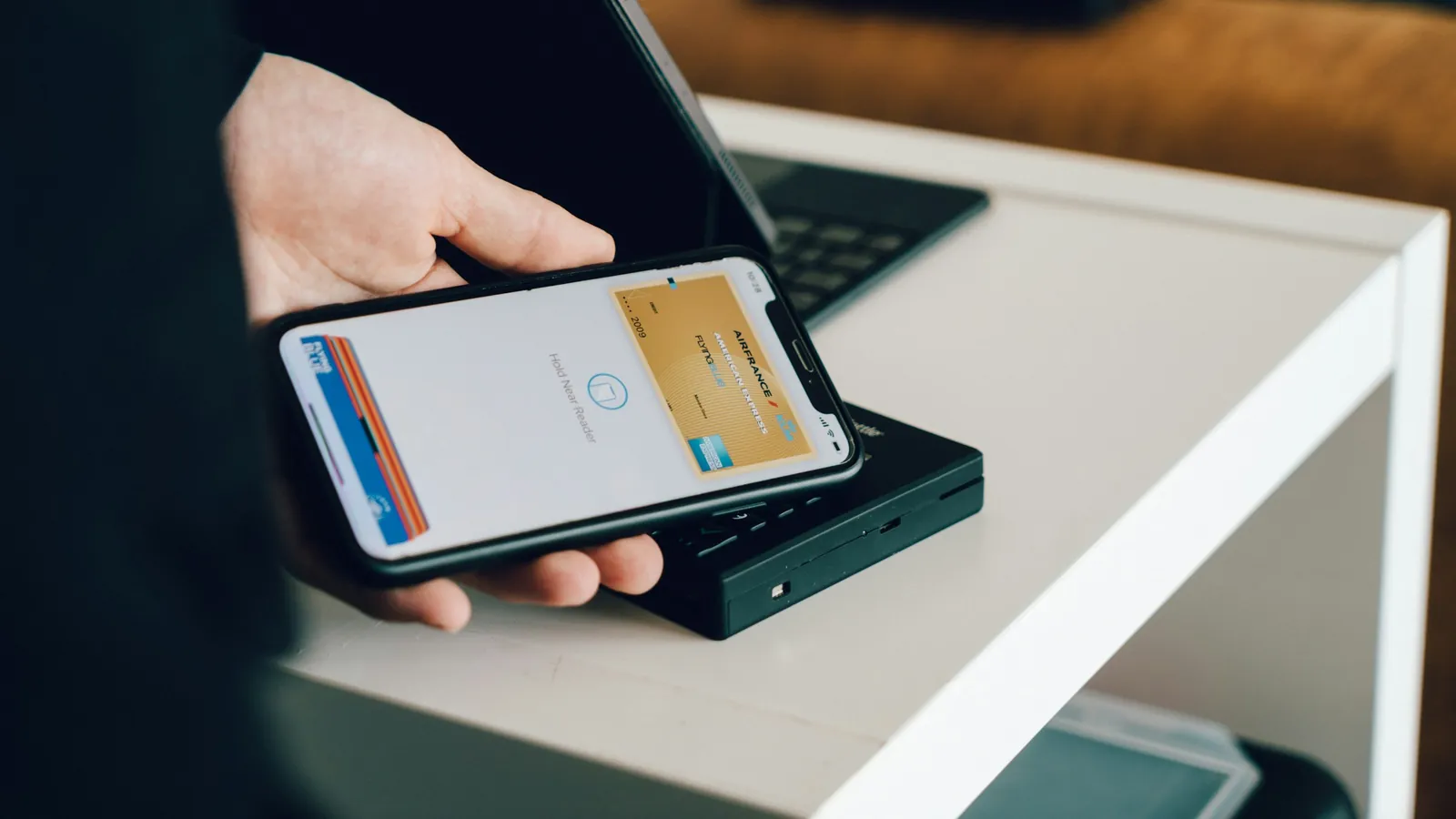
It’s a small self-serve store for staff. Open shelves and coolers hold fresh meals, snacks, drinks and frozen entrées, and a self-checkout kiosk takes cards and phones. Nobody runs it. It’s open whenever the building is, which in a hospital means always.
For most qualifying sites it costs the hospital nothing; we explain why in what a micro market costs your company.
Night shift food in a hospital: why a vending machine isn’t enough
Night staff don’t just need a snack. Many are working twelve-hour shifts, and their meal break may be the only real food they get until morning.
NIOSH’s training for nurses on shift work and long work hours gives night workers some practical eating advice. It suggests reducing food intake between midnight and 6 a.m., choosing higher-quality foods such as vegetables, salads, fruit, whole-grain sandwiches, yogurt and nuts, and avoiding sugary, low-fiber foods that can increase sleepiness. It also suggests eating with colleagues, away from the work area, when possible.
A row of candy bars and chips can’t support any of that. A micro market can:
- Real meals for the main break: salads, wraps, sandwiches and microwave entrées.
- Lighter options for the small hours: fruit, yogurt, cheese, nuts, hard-boiled eggs.
- Drinks beyond soda: water, milk, juice, unsweetened tea.
The product mix can be adjusted over time as sales show what moves on nights versus days.
Where to put it
Location makes or breaks a hospital market. A night nurse with a thirty-minute break isn’t walking to the other side of the campus.
Close to the units
The best spot is staff-only space near where night staff work: a staff lounge, a breakroom off a main corridor, or a space shared by several units. If the hospital is large, one market may not reach everyone. Satellite locations near the ED, ICU or surgical floors can make a real difference.
Inside staff-only space
Keep the market away from public lobbies and visitor waiting areas. It’s a staff amenity, and putting it behind badge access keeps it that way. That also keeps loss low; we cover why in micro market theft.
Somewhere people can sit
If the market is in a room with a few tables, people can actually take a break there instead of eating at the nurses’ station. That’s the “eat with colleagues, away from the work area” part of the NIOSH advice, and it costs nothing extra.
Which setup fits a hospital
Hospitals often do best with a hybrid market: open shelves for grab-and-go items and coolers for fresh meals, sized to fit a staff lounge rather than a cafeteria.
For satellite areas, like a department in a separate building or a floor far from the main breakroom, a smart cooler fits roughly where a vending machine would and carries fresh meals and drinks in one locked cabinet.
Larger campuses sometimes combine the two: one main market plus smart coolers in outlying spots. For more on hospitals and clinics, see our healthcare page.
Keeping the shelves full at 3 a.m.
A market that’s picked clean by midnight doesn’t help night shift. When we set up a hospital market, we’ll set the restock schedule with you around your shift changes, so the timing works for evening and overnight staff and not just the day crew. If nights keep emptying the coolers, tell us and we can look at adding more meal-sized items.
If something’s missing or the kiosk needs attention, staff can tell their contact on site, and that person tells us.
Keep the cafeteria, cover the gaps
A micro market isn’t a replacement for a hospital cafeteria with a hot line. Many hospitals keep the cafeteria for daytime meals and add a market to cover evenings, nights and weekends. We compare the two in micro market vs. cafeteria.
If you want food to be a real benefit for staff, an optional subsidy lowers prices at the kiosk.
Closing the overnight gap
The night shift does the same work with fewer options. A 24/7 micro market in staff-only space, close to the units and stocked with real meals, gives overnight staff something better than a vending machine, usually at no cost to the hospital.
Tell us about your campus, units and shift patterns, and we’ll recommend a setup. Get a Quote to start.
Common questions
What is a hospital micro market?
A self-serve store for staff, open 24/7: shelves and coolers with fresh meals, snacks and drinks, and a self-checkout kiosk. Nobody has to staff it, so night shift has the same access to food as day shift.
Where should a micro market go in a hospital?
In staff-only space close to where night staff actually work, such as a staff lounge or a breakroom near the units. A spot that takes ten minutes to reach won't get used on a short break.
Does a hospital micro market replace the cafeteria?
Usually not. Many hospitals keep the cafeteria for daytime meals and add a micro market so evening, overnight and weekend staff have real food when the cafeteria is closed.
What does it cost the hospital?
For most qualifying sites, nothing. Staff pay for what they buy, and some hospitals add an optional subsidy to lower prices.