Micro Market vs. Cafeteria: What Each Costs an Employer
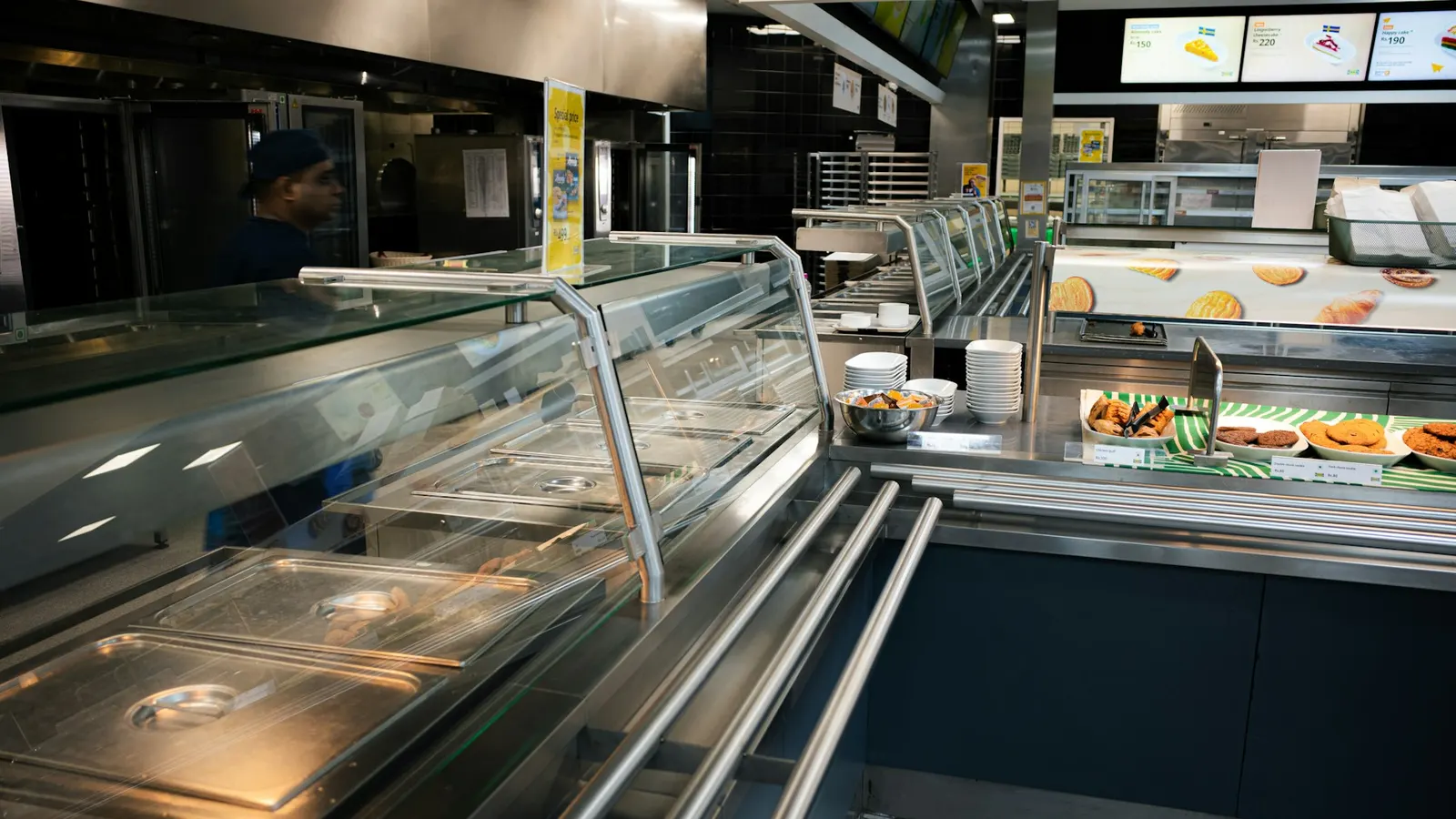
For a long time, the answer to “how do we feed people at work?” at a large facility was a cafeteria. Plenty still run one. But a staffed cafeteria is one of the most expensive amenities a company can operate, and in a lot of facilities it’s open for one lunch rush while second and third shift get nothing.
Here’s how the two compare from the employer’s side.
What a cafeteria actually costs
The menu price employees pay rarely covers a workplace cafeteria. The real cost includes:
- Staff: cooks, cashiers and dishwashers, plus scheduling, turnover and benefits.
- Kitchen and equipment: ranges, hoods, dish machines and walk-ins, all of which need maintenance, inspection and eventual replacement.
- Food waste: a hot line has to be prepared before anyone orders, and whatever doesn’t sell gets thrown out.
- Space: a kitchen, serving line and dining room occupy square footage that could be doing something else.
- The subsidy: many employers end up covering the gap between what the cafeteria costs and what it brings in, often through a food-service management contract.
And most of that cost is fixed. It’s the same whether 300 people eat lunch or 120 do.
What a micro market costs
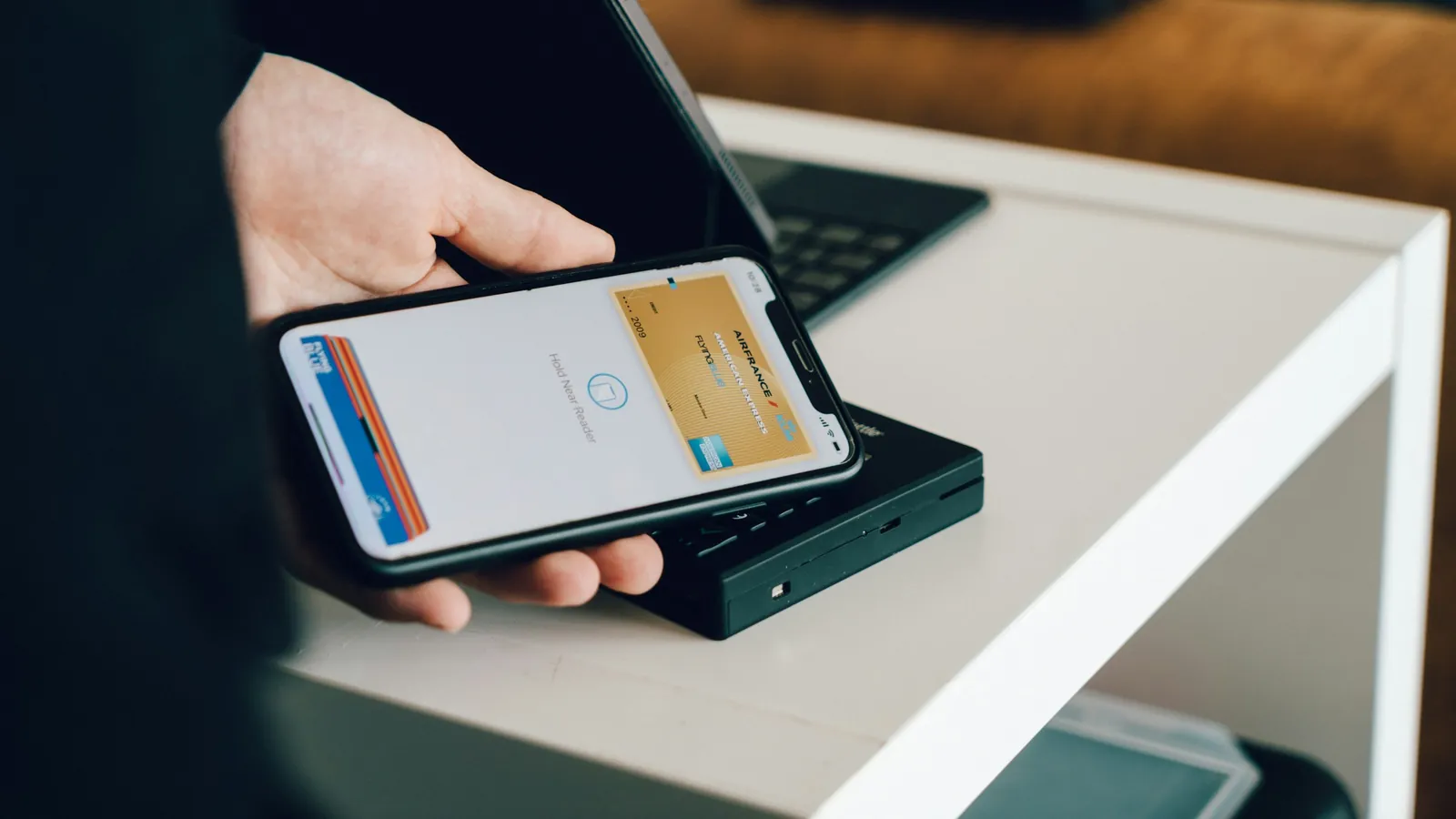
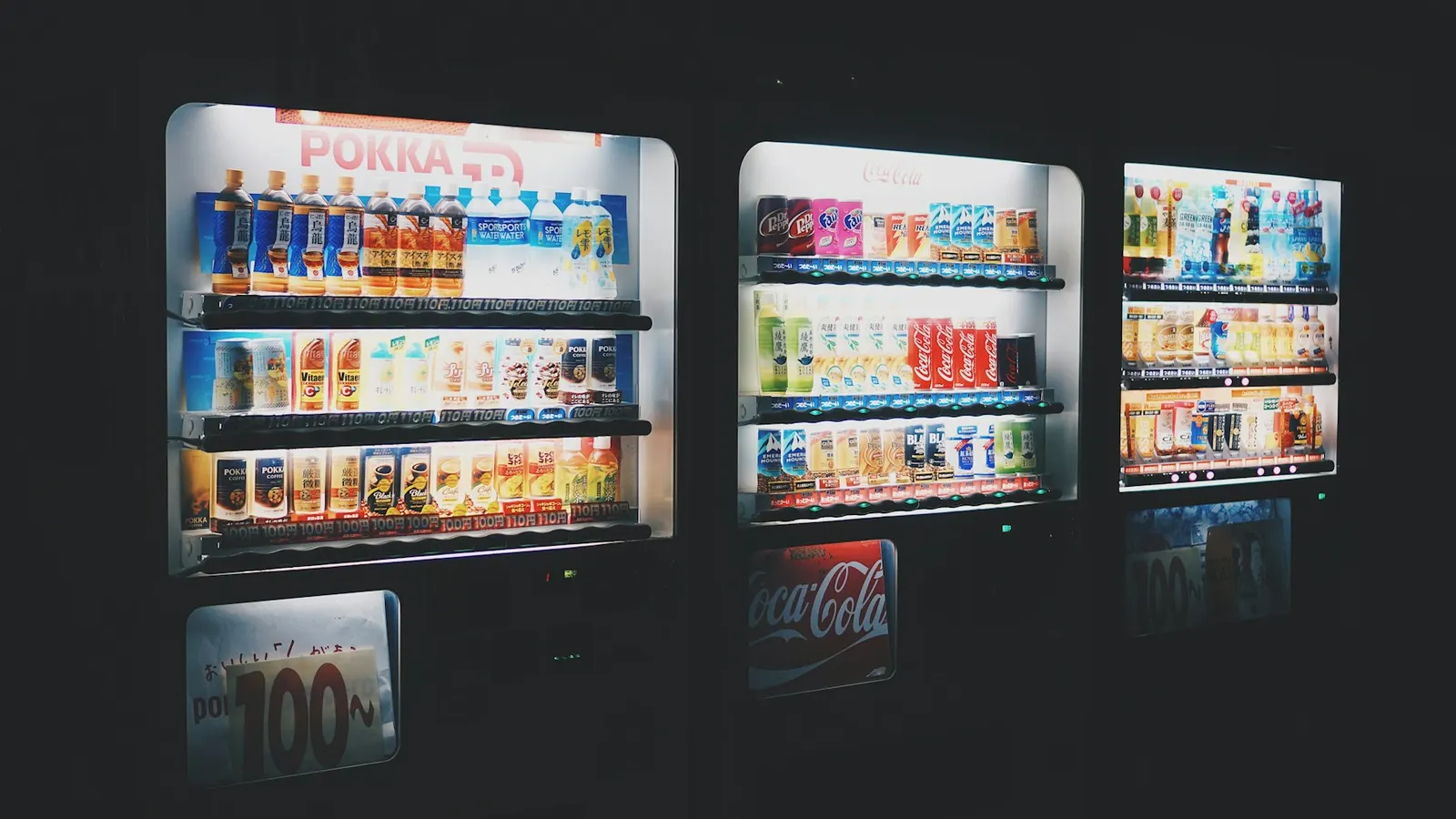
A micro market is a self-serve store in your breakroom: open shelves and coolers stocked with fresh meals, snacks and drinks, and a self-checkout kiosk. Nobody staffs it.
For most qualifying facilities, there’s no equipment cost and no monthly fee. We supply and install the market, our route drivers and warehouse team keep it stocked based on how much is being used, and we service the equipment. Employees pay for what they buy. Your company provides the space and power.
If you want food to be a real perk, you can add a subsidy: the company covers part of each purchase so employees pay less. Because it’s tied to actual purchases, the cost scales with use rather than sitting fixed whether people show up or not.
Side by side
| Staffed cafeteria | Micro market | |
|---|---|---|
| Staff | Cooks, cashiers, dish | None on site |
| Equipment | Commercial kitchen | Shelving, coolers and a kiosk, supplied by us |
| Hours | Usually one or two meal periods | 24/7 |
| Menu | Hot, cooked-to-order meals | Fresh meals, snacks, drinks, frozen entrées |
| Food waste | Prepared ahead; unsold food discarded | Restocked to usage; fresh items rotated |
| Cost to the employer | Fixed costs plus any subsidy | Nothing for most qualifying sites, or only the subsidy you set |
When a cafeteria still makes sense
A micro market isn’t a cooked-to-order hot line. A cafeteria can still be the right call when:
- Hot, made-to-order food is central to the culture, like a large corporate campus where lunch is a draw.
- The site is very large and mostly on one schedule, so one lunch rush really does feed most people.
- Food service is part of how you recruit, and the budget reflects it.
The common middle ground: keep both
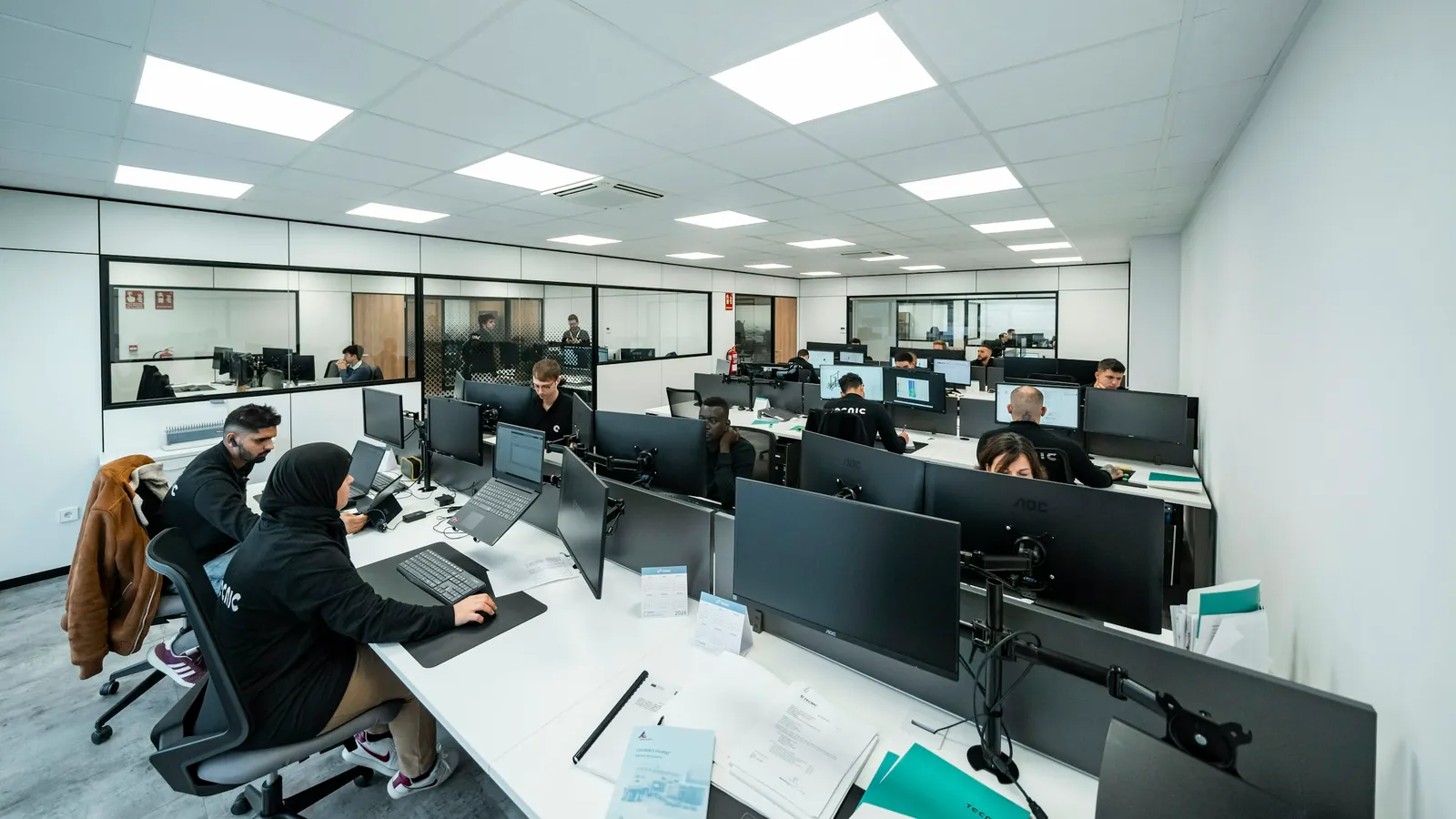
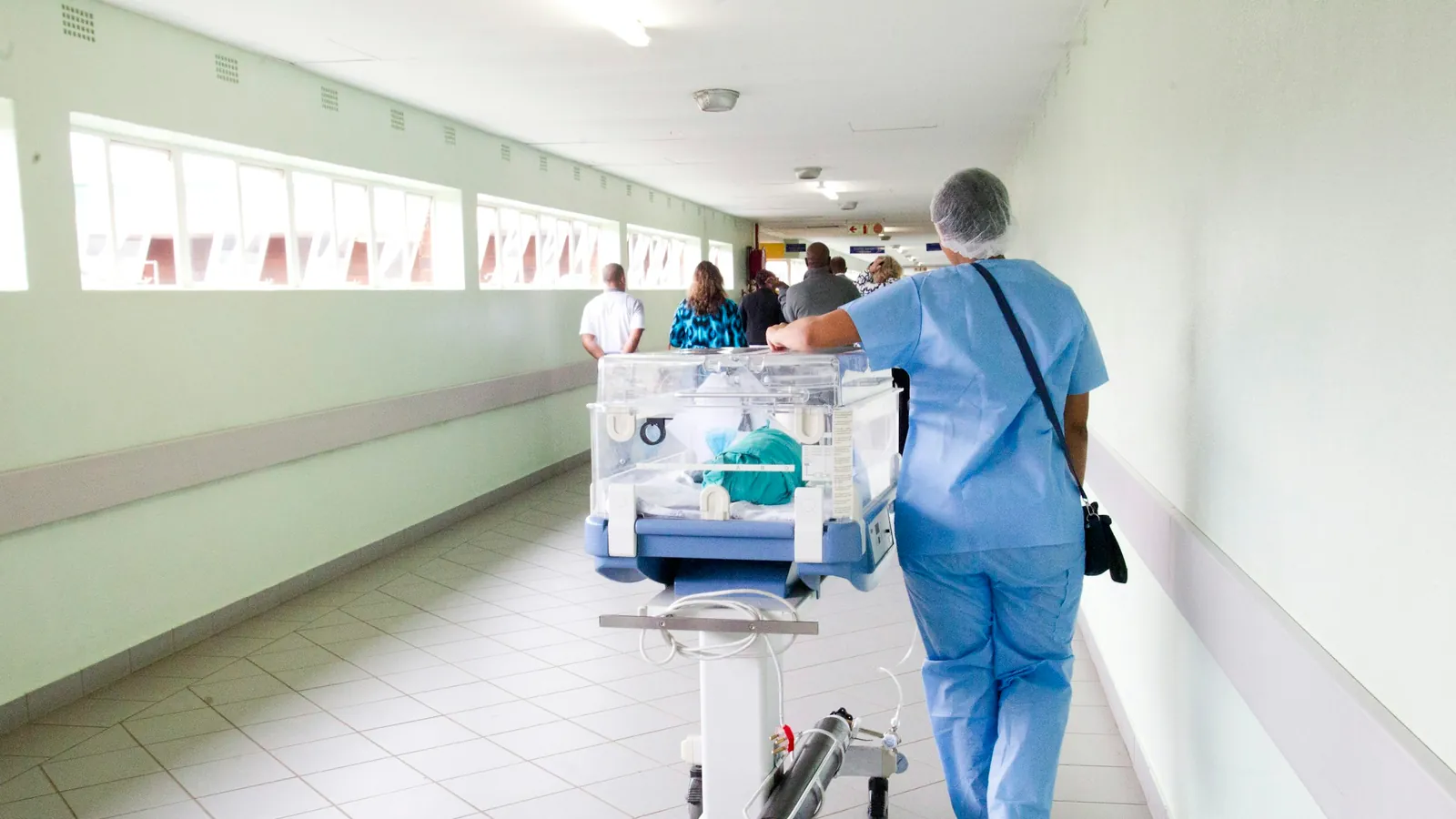
Many large facilities keep the cafeteria for weekday lunch and add a micro market for everything else: early mornings, second and third shift, weekends, and the person who can’t make it to the cafeteria before it closes. A healthcare facility or plant running around the clock is the classic case.
Others replace an underused cafeteria outright with a full open-concept market, and use the savings on a subsidy so food stays a real benefit.
Where to start
Look at when people actually eat. If your cafeteria is busy for 90 minutes a day and empty the rest, a micro market will probably serve more of your people for less. Tell us your headcount, shifts and current food setup, and we’ll recommend whether to replace, supplement or skip. Get a quote to start the conversation, or browse our locations to see where we operate.
Common questions
Is a micro market cheaper than a cafeteria?
For the employer, almost always. A cafeteria carries staff, kitchen equipment, food waste and usually a subsidy. With a micro market, we supply the equipment, stocking and service; for most qualifying facilities the employer pays nothing, or only the subsidy it chooses to offer.
Can a micro market replace a cafeteria?
For many sites, yes, especially where the cafeteria only serves one shift or is underused. If people rely on hot, cooked-to-order meals, it's often better to keep the cafeteria and add a micro market for off-hours.
How does an employer subsidy work in a micro market?
The company covers part of each purchase, so employees pay less at the kiosk. You choose the size of the discount, so the cost scales with actual use.