What a Micro Market Costs Your Company (Usually Nothing)
If you search “how much does a micro market cost,” most of what comes back is written for someone who wants to buy a market and run it: equipment quotes, kiosk software, startup budgets. Those are real costs. They’re just not yours.
When a company hosts a micro market, the operator owns the equipment and carries the costs of running it. Here’s who pays for what, where the money actually comes from, and the few situations where your company does spend something.
The short answer
For most qualifying facilities, a micro market costs the host company nothing. No equipment cost, no install fee, no monthly service fee.
We supply the shelving, coolers and self-checkout kiosk. We install them, stock them, restock them, and service the equipment when something needs attention. Your employees pay for what they buy at the kiosk, and that’s how we earn our revenue. Your company provides the space and the power.
Who pays for what
| Cost | Who covers it |
|---|---|
| Shelving, coolers, freezer and kiosk | We do |
| Delivery and installation | We do |
| Product and restocking | We do; employees pay for what they buy |
| Equipment service and repairs | We do |
| Theft and expired product | We do; it’s factored into pricing |
| Floor space and electricity | Your company |
| A subsidy, if you want one | Your company, at a level you choose |
The last two rows are the whole list on your side.
How that can work
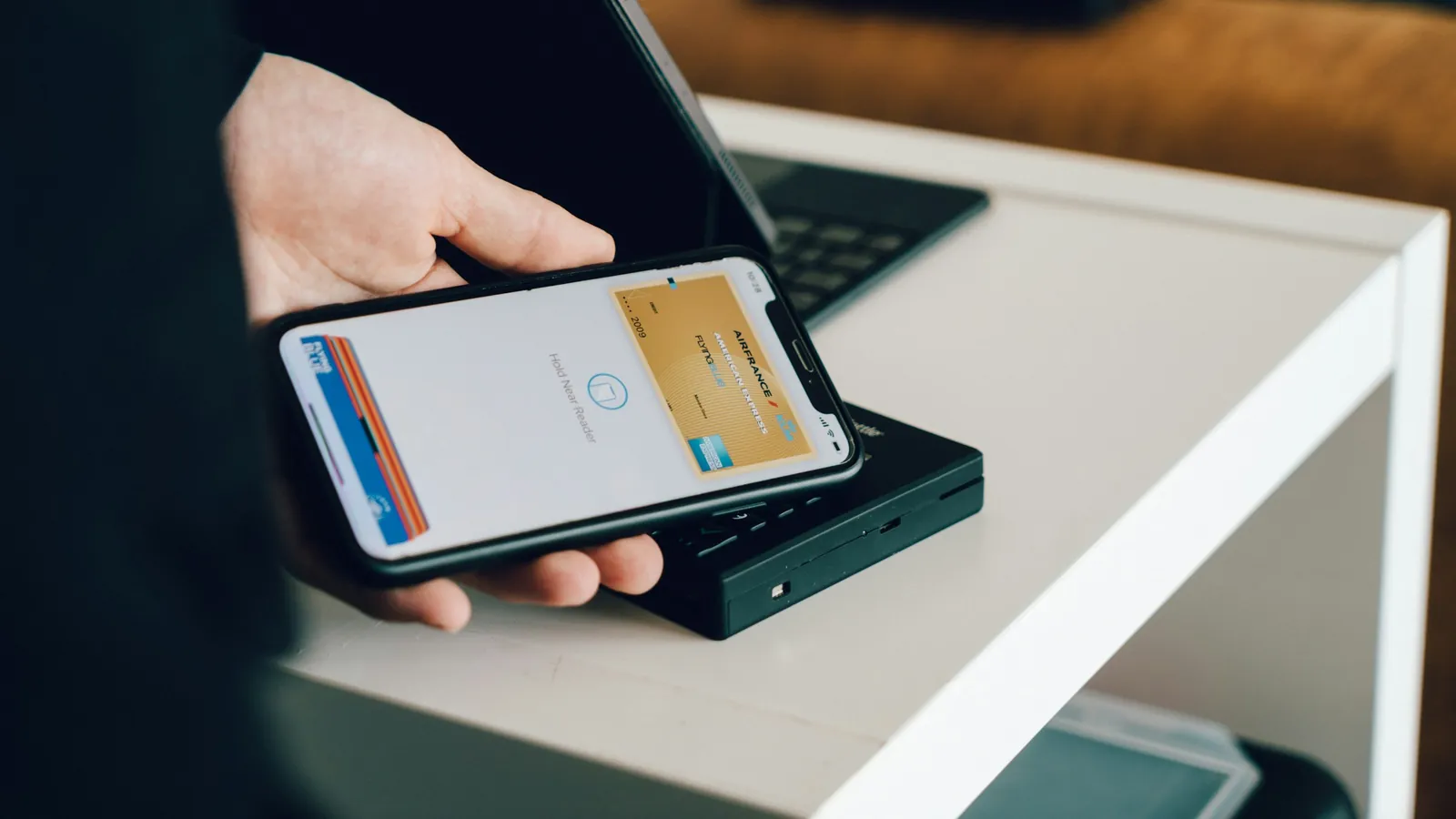
A micro market is a store with no cashier. Fresh meals, snacks and drinks sit on open shelves and in coolers, and employees pay at a kiosk with a card, a phone or, where the employer enables it, payroll deduction. Our FAQ lists the payment options.
Because there’s no one staffing a register, the running cost is mostly product, equipment and the route drivers who restock it. When enough people use the market every day, product sales cover all of that. That’s why the arrangement only works at a certain size. Micro markets are for workplaces with 75 or more employees. Below that, daily sales usually can’t keep fresh food moving before it expires, and a smaller setup is the honest recommendation.
Where your costs actually are
Space
A market needs a spot in the breakroom: anything from roughly a vending machine’s footprint for a single smart cooler to a dedicated area for a full open-concept store. If that space is currently doing nothing, the cost is close to zero. If it means giving up a table or two, that’s a trade-off worth thinking about.
Power
Coolers and freezers run around the clock, so the market adds to your electric bill. As a site requirement, each cooler and freezer needs a dedicated outlet, and the kiosk needs a network connection. We’ll walk the room with you on the site visit. If an outlet has to be added, that’s building work on your side, and it gets sorted out before install day.
Your team’s time
Someone needs to give us access for the install and be a contact afterward. That’s a few emails and a walk-through, not a new job.
When a micro market does cost something: subsidies
The one cost most companies choose to take on is a subsidy. With a subsidy, we bill your company a percentage of sales, and prices at the kiosk drop by that amount for your employees.
Companies subsidize for a few reasons:
- Food as a real perk. Cheaper lunch at work is a benefit people notice every day.
- Keeping people on site. If the breakroom is cheaper than the drive-through, fewer people leave the building at lunch.
- Supporting long or overnight shifts. A lower price on a real meal matters when there’s nowhere else to eat at 2 a.m.
A subsidy is optional and you set the size of it. Because it’s tied to actual purchases, the cost scales with how much people use the market. If usage is light one month, the subsidy is light too. That’s very different from a staffed cafeteria, where most of the cost is fixed whether people show up or not. We compare the two in micro market vs. cafeteria.
What about theft?
It’s the next question everyone asks, and it’s a cost question too. Some loss happens in any self-serve store. With us, that loss is factored into pricing. Your company isn’t billed for missing items, and there’s no shrink charge at the end of the month. We cover what keeps it low in micro market theft: what happens and who pays.
Why prices at the kiosk look like they do
Without a subsidy, kiosk prices have to cover the cost of running the market. That’s the trade for the company paying nothing: product sales carry the equipment, the restocking, the fresh food that gets rotated out, and the service. If you want prices lower than that for your team, a subsidy is the lever.
Questions to ask any provider
Whoever you talk to, get clear answers to these before anything gets installed:
- Is there any equipment, install or monthly fee?
- Who pays for theft and expired product?
- What does a subsidy cost, and how is it billed?
- What do you need from us: space, outlets, a network connection?
- How often will the market be restocked, and who do we call when something’s wrong?
Our answers are on our how it works page.
So what will your company actually pay?
For a workplace with 75 or more employees, a micro market is usually a no-cost amenity: we carry the equipment, the stocking and the risk, and your company provides a spot in the breakroom. If you want to make food a real benefit, a subsidy lets you spend exactly as much as you choose. Install typically takes one to two weeks once the details are set.
Tell us your headcount, shifts and space, and we’ll tell you what fits. Get a Quote to start.
Common questions
How much does a micro market cost an employer?
For most qualifying facilities, nothing. We supply the equipment, install it, stock it and service it, and we earn our revenue from what employees buy. Your company provides the space and power.
When does a micro market cost the company money?
Mainly when you choose to subsidize it. A subsidy means we bill the company a percentage of sales so prices at the kiosk drop for employees. It's optional, and you set the size of it.
Who pays for theft or spoiled food?
We do. Shrink and expired product are part of running the market, and they're factored into pricing. The host company isn't billed for missing or spoiled items.
What size workplace qualifies?
Micro markets work for workplaces with 75 or more employees. Below that, sales usually can't support fresh food and a full market.