Micro Market Theft: What Actually Happens (and Who Pays)
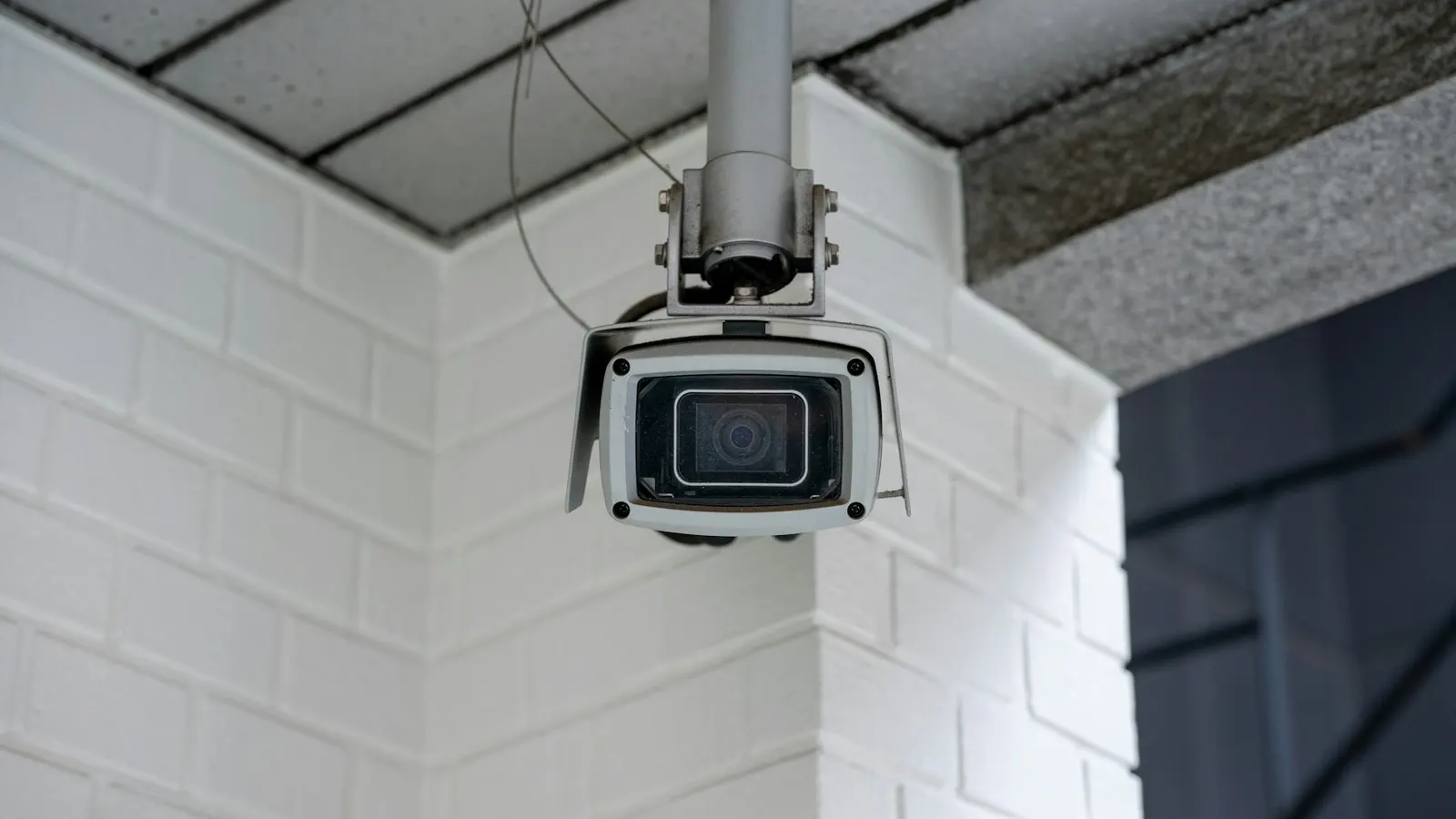
When we walk a facility manager or HR lead through a micro market, the first question is almost always some version of: “So what stops people from just walking off with stuff?”
It’s a fair question. A micro market is an open store with no cashier: shelves and coolers people shop from directly, and a self-checkout kiosk where they pay. Here’s the honest answer about what happens, who pays for it, and what keeps it low.
Some loss happens. You don’t pay for it.
In any self-serve setup, some items will walk off without being paid for. Sometimes it’s deliberate. More often it’s someone who got called back to the line, forgot to scan a drink, or had a card decline and meant to come back.
With us, that loss is factored into pricing. Your company isn’t billed for missing items, and there’s no shrink charge at the end of the month. That’s part of what makes a micro market work as an amenity: you’re not taking on a store’s risk to give your people better food.
Why it’s lower than people expect
A workplace micro market isn’t a convenience store on a busy corner. A few things work in its favor:
- It’s inside employee-only space. The only people shopping are your own staff, behind a badge reader or a front desk.
- People know each other. Coworkers notice coworkers. That social pressure does more than most hardware.
- It’s an amenity people want to keep. Employees who like having fresh food at work have a reason not to ruin it.
What keeps it low
Most of what controls theft is decided before the market opens:
Location
Put the market inside the secured part of the building, not in a lobby or a hallway visitors pass through. Somewhere visible and well lit, near where people already gather on break, is better than a quiet back corner.
A clear launch
When the market opens, tell people how it works: scan, pay, done. A short note from HR or a supervisor goes a long way. Most “theft” in the first weeks is confusion about how to pay.
Easy payment
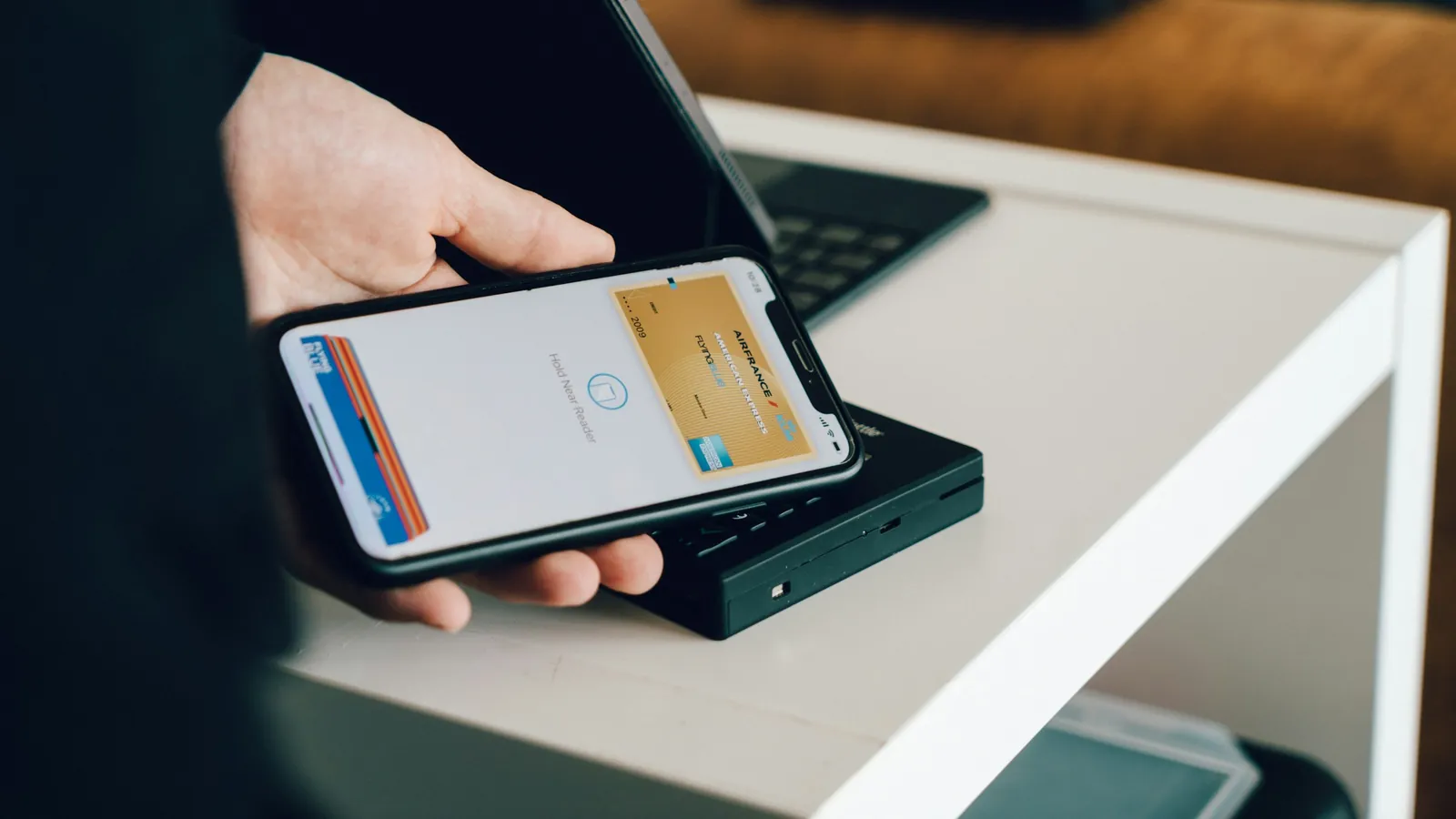
The kiosk takes cards and mobile wallets, and many sites add payroll deduction or a prepaid account. The fewer reasons someone has to walk away mid-purchase, the fewer items go unpaid. Our FAQ lists the payment options.
The right setup for the space
For an area that’s hard to keep visible, like a satellite breakroom or a remote corner of a warehouse, a smart cooler may be a better fit than open shelving. It stays closed until someone unlocks it to shop.
If it starts to climb
Usage and loss show up in the kiosk’s sales data and in what our route drivers see when they restock. If shrink starts climbing at your site, tell us. Usually there’s a fixable reason: the market got moved somewhere less visible, a new group of workers hasn’t been told how it works, or certain items keep going missing. We’ll work through it with you.
The bottom line
Theft is a real part of running an open store, and it’s the operator’s problem to handle, not yours. It’s accounted for in pricing, it’s usually lower than people fear, and the biggest lever, a good location inside your secured space, is decided on day one.
If you’d like to talk through placement for your facility, see how it works or get a quote.
Common questions
Does the employer pay for theft in a micro market?
No. Loss from theft is factored into product pricing, so your company isn't billed for missing items.
Is theft a big problem in workplace micro markets?
In most workplaces, no. Micro markets sit inside employee-only space where people know each other, which is a very different setting from a public store. Some loss happens in any self-serve setup, and it's accounted for in pricing.
What can we do to keep theft low?
Put the market inside your secured, employee-only area, somewhere visible and well lit, near where people already gather. Tell employees how the market works when it opens. If shrink rises, tell us and we'll work through it with you.